Simple Marketing, SEO, AEO, and GEO Terminology For Local Service Businesses

SD Team • December 16, 2025

Prefer to listen to this blog post?

If you run an HVAC, plumbing, construction, cleaning, or lawn care company, marketing jargon can feel like a foreign language. You just want more calls and booked jobs, not more SEO acronyms.


Here is the good news. Terms like Search Engine Optimization (SEO), Answer Engine Optimization (AEO), and Generative Engine Optimization (GEO) are just labels for how you show up where people search: Google, Google Maps, voice assistants, and Artificial Intelligence (AI) tools like ChatGPT.


This guide breaks down the most important marketing, SEO, AEO, and GEO terminology in plain language. The focus is simple: local leads, real calls, and work on the schedule, not vanity metrics. Speck Designs, a Michigan-based agency, uses these same concepts every day to help service businesses turn online visibility into jobs and revenue.

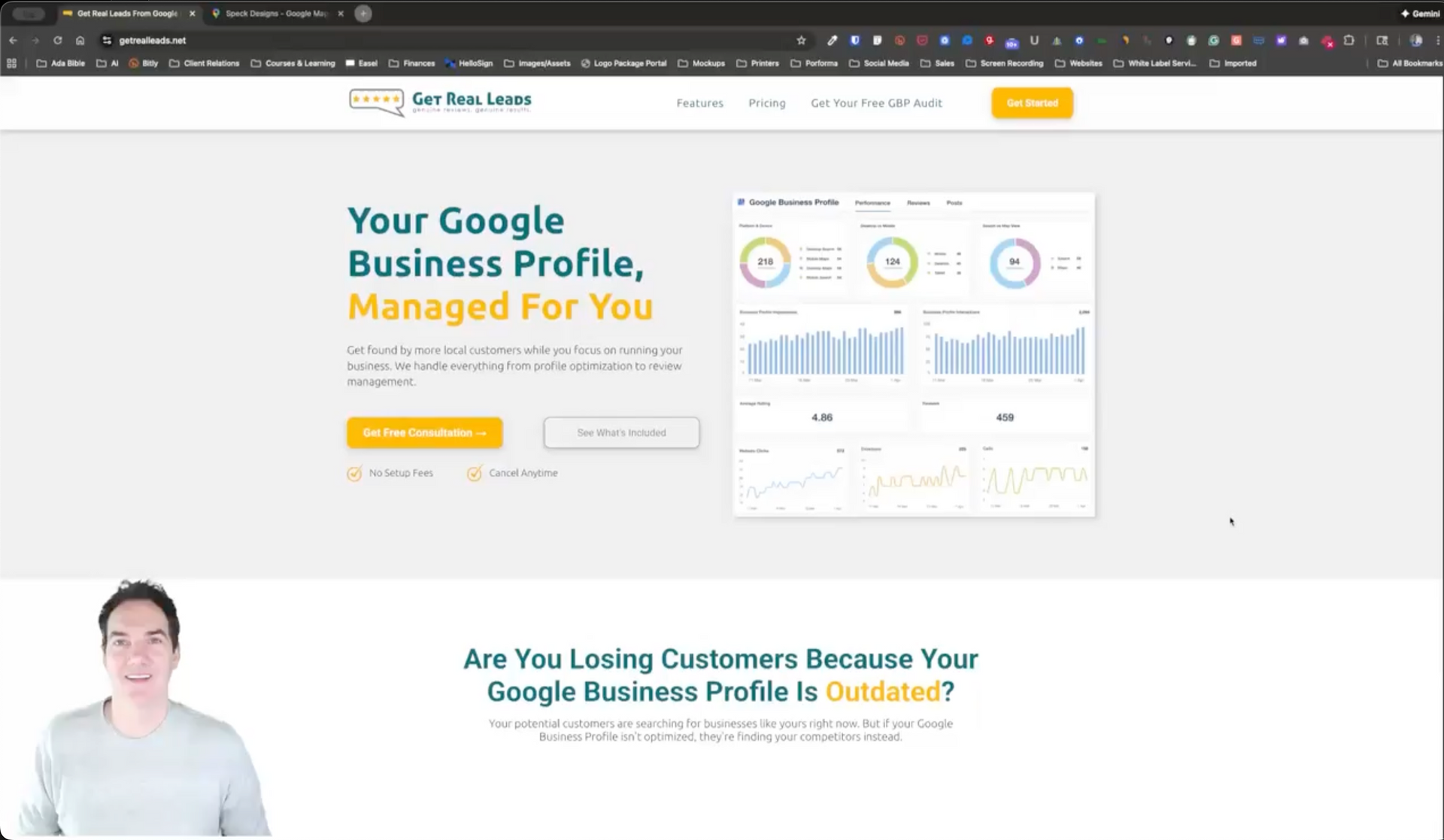
Steven, the owner of Speck Designs in front of a website about managing Google Business Profiles, with graphs and a call to action.

Want a recommendation on what to focus on in order to grow your business? Schedule a Call with Speck Designs.

Key Takeaways

  • Local service businesses benefit most when marketing, SEO, AEO, and GEO all point to one goal: more qualified calls, form fills, and booked jobs in their service area.


  • SEO (Search Engine Optimization) helps service companies show up in traditional Google results and Google Maps, while AEO (Answer Engine Optimization) and GEO (Generative Engine Optimization) help them appear in quick answers, voice results, and AI summaries.


  • Knowing core terms like brand, leads, funnel, ROI, keywords, user intent, technical SEO, and E‑E‑A‑T makes it easier for owners to judge marketing advice and avoid paying for traffic that does not turn into revenue.


  • Clear FAQ content, structured service pages, real project photos, and strong local signals (Google Business Profile and citations) increase trust with both customers and AI systems, which leads to more visibility and better quality leads.


  • A simple, staged plan that starts with local SEO and branding, then adds AEO, GEO, and stronger content depth, helps service businesses grow from basic visibility to being seen as trusted local experts in AI‑generated answers.

Why Marketing, SEO, AEO, and GEO Matter For Local Service Businesses

Marketing terms only matter if they lead to outcomes: more phone calls, more form fills, and more booked jobs in your service area. That is it.


Today, buyers search in lots of places at once. They type into Google, zoom in on Google Maps, tap natural language queries into their phones, or ask Artificial Intelligence (AI) tools for advice. Search Engine Optimization (SEO), Answer Engine Optimization (AEO), and Generative Engine Optimization (GEO) are simply three paths that help your business appear in those moments.


When you understand the terminology, you can ask better questions, spot bad advice, and avoid wasting money on clicks that never turn into paying work.


From word of mouth to search: understanding user intent in how your customers find you

Picture a normal day. Someone wakes up with no heat, a clogged drain, or a broken garage door. They grab their phone, type “furnace repair near me,” or use voice search on their smart speaker for help.


They see a few options in Google Maps, a couple of websites, maybe a quick answer box at the top of Google. They glance at reviews, check prices or guarantees, then tap to call.


Your logo on a truck, yard sign, or mailer still helps. But if you are not visible in that moment on the phone, you are losing out to competitors who are.


The 3 paths to visibility: clicks, quick answers, and AI summaries

You can think of modern visibility as three paths that together drive Search Experience Optimization (SXO):


  • SEO (Search Engine Optimization) helps you show up in traditional search results and get clicks to your website.


  • AEO (Answer Engine Optimization) helps you show up in short answers, like featured snippets, People Also Ask, and voice results.


  • GEO (Generative Engine Optimization) helps you appear in Artificial Intelligence (AI) summaries, like Google’s AI Overviews or tools such as ChatGPT and Perplexity.


All three paths work together. A smart strategy for a service business uses parts of each, so customers can find you no matter how they search. For a deeper, more technical glossary across these terms, resources like the AEO, GEO, & SEO glossary from Conductor are helpful, but this guide keeps it simple and local.


Core Marketing Terminology Every Service Business Should Know

Before SEO and AI, it helps to understand a few basic marketing words. You will see these in reports, sales calls, and proposals.


A good agency, like Speck Designs or any solid partner, should explain these clearly and tie them to booked jobs, not just traffic.


Brand, branding, and brand awareness (what customers think when they see your name)

Your brand is the gut feeling people have when they hear your name. It might be “fast and fair,” “kind of cheap,” or “expensive but worth it.”


Branding is everything you do to shape that feeling. Logo, colors, website design, uniforms, truck wraps, how your team answers the phone, and even how clean your vans look.


Brand awareness is how many people recognize and remember you. Strong awareness lifts everything. Your SEO, AEO, and GEO get better results when people already trust your name.


Lead, qualified lead, and conversion (turning interest into paid jobs)

A lead is any person who reaches out. They may call, submit a form, or send a message on your site.


A qualified lead is someone who fits your target: they are in your service area, need a service you offer, and have a reasonable budget or problem.


A conversion is when a lead becomes a paying customer. They sign the estimate, book the tune-up, or pay for the repair. Strong marketing reports focus on conversions driven by effective content optimization, not just clicks or “impressions.”


Funnel, customer journey, and touchpoints

The funnel is a simple way to think about interest levels:

  • Top of funnel: people just learning about a problem.
  • Middle of funnel: people comparing options.
  • Bottom of funnel: people ready to buy now.


The customer journey is the path from “I have a problem” to “I am a loyal customer.” They might see your truck, read reviews, visit your website, ask an AI tool for advice, then call your office.


Every place they meet your brand is a touchpoint. The goal is to make each touchpoint clear, consistent, and trustworthy.


ROI, cost per lead, and lifetime value (knowing if your marketing is working)

ROI (return on investment) tells you if your spend is paying off, especially for online efforts; it tracks not just search traffic, but traffic that converts to profit from jobs. If you spend $1,000 on ads and land $4,000 in profit from jobs, your ROI is strong.


Cost per lead (CPL) is your spend divided by the number of leads. If you spend $1,000 and get 40 leads, your CPL is $25. A slightly higher CPL can be smarter if those leads book larger jobs, like full system installs.


Lifetime value is the total revenue from a customer over time. For example, one new homeowner might call you for an AC repair this year, a furnace the next year, and a full replacement later. When you understand lifetime value, it is easier to judge if an SEO or ad campaign really makes sense.


SEO Terminology: Speak the Language of Google and Local Search

Search Engine Optimization (SEO) is how you help search engines like Google understand, trust, and show your business higher in results. For local service companies, Search Engine Optimization (SEO) is less about fancy tricks and more about clarity and trust.


If you want a deep list of SEO jargon, guides like theSEO glossary from Definition are helpful. For now, focus on the basics below.


Organic search, rankings, and search engine results pages (SERPs)

Organic search listings are the results you do not pay per click for.


Rankings are your position for a search term. If someone types “furnace repair near me” and you are third in the list, your ranking is 3 for that term.


The SERP (Search Engine Results Page) is the whole page of results. It can include ads, the map pack, AI summaries, and organic listings.


Keywords, user intent, and long-tail queries

Keywords are the words people type or say when they search. “Drain cleaning Grand Rapids” is a keyword.


User intent is what they want to do. “Furnace making loud noise” often means they want help, not a full manual.


Long-tail queries are longer, more detailed searches, like “emergency plumber in Grand Rapids open now.” They are usually easier to rank for and often lead to higher-value jobs.


On-page SEO, meta titles, and meta descriptions

On-page SEO covers what you control on each page and requires rigorous content optimization for headings, text, images, and internal links.


The meta title and meta description are what show up in Google as your listing. A good meta title clearly says the service and city, such as “24-Hour Furnace Repair in Lansing | ABC Heating.” A strong description reads like a short ad, not a list of keywords.


Backlinks, citations, and local SEO

A backlink is a link to your site from another website. Good backlinks from real sites can help rankings over time.


Citations are mentions of your business name, address, and phone number on other sites, especially directories. Consistent information on sites like Google Business Profile, Yelp, and local directories helps with local SEO, a specialized form of Search Engine Optimization (SEO).


Local SEO is all about showing up in your area, especially in Google Maps and the local pack. TheMoz local SEO strategy guide walks through how reviews, accurate info, and good content all work together.


Technical SEO basics: site speed, mobile-friendly, and crawlability

Technical SEO is about how easy it is for people and search engines to use your site, and it forms a key pillar of Search Engine Optimization (SEO).


Key points:

  • Site speed on mobile.
  • Layout that works on phones.
  • Secure site (HTTPS).
  • Clean links without lots of broken pages.


If someone on a job site pulls up your site and it is slow or broken, they will tap the back button. Google notices those signals.


E-E-A-T (Trustworthiness): Experience, Expertise, Authoritativeness, Trustworthiness

E-E-A-T (Trustworthiness) stands for Experience, Expertise, Authoritativeness, and Trustworthiness.


For a contractor or plumber, that means:

  • Real photos from jobs you actually did.
  • Bios that show licenses, years in business, and training.
  • Case studies and before-and-after stories.
  • Clear contact info, reviews, and guarantees.


These signals help Google, answer engines, and AI tools trust you, and these elements contribute to authority building. E-E-A-T (Trustworthiness) is a big part of both GEO and AEO in 2025, as explained in articles likeYext’s overview of SEO, AEO, and GEO.


AEO Terminology: Answer Engine Optimization for Voice and Quick Answers

Answer Engine Optimization (AEO) is about how your content shows up in zero-click searches when people want fast answers, not long reading. Think of “why is my AC blowing warm air” or “how long does a water heater last.”


You win in AEO when your site gives short, clear answers that search engines and voice tools can quote.


Answer engines, featured snippets, and People Also Ask

An answer engine is any tool that gives direct answers, not just a list of websites. That includes Google’s quick answer boxes, voice assistants, and some AI tools.


A featured snippet is the box at the top of Google with a short answer and a source link. People Also Ask boxes show extra related questions that users can tap open. Featured snippets help you capture visibility in answer engines right away.


For a local service company, these spots are perfect for common questions about pricing, repair vs replace, and basic troubleshooting.


FAQ content, question keywords, and concise answers

FAQ content is simply a Q&A format list of real questions customers ask, with short answers in plain conversational language.


Content optimization works best with question keywords that match natural language queries for voice search, like “how much does duct cleaning cost” or “why is my sump pump running nonstop.” These start with words like who, what, why, where, how, and cost.


Aim for answers that are 40 to 60 words, clear and direct. This style works very well for snippets and voice responses, which helps Answer Engine Optimization (AEO) even when a user never clicks through.


Schema markup and structured data for better answers

Schema markup and structured data are pieces of code that explain your content to Google in a more precise way. Structured data boosts this precision for AEO and AI Optimization (AIO).


For AEO, the most useful types are:

  • FAQ schema for question and answer sections.
  • LocalBusiness schema for core business details.


A developer or agency like Speck Designs can handle the code, including AI Optimization (AIO) for automated answers. Your job is to supply real questions and honest, helpful answers that match how your customers actually talk.


GEO Terminology: Generative Engine Optimization for AI Tools and Chatbots

Generative Engine Optimization (GEO) focuses on how your business appears in AI-generated answers. These include Google’s AI Overviews and tools like ChatGPT and Perplexity, which utilize Large Language Models (LLMs) to produce full AI-generated answers for generative search by pulling from many websites.


AI Optimization (AIO) plays a key role alongside GEO in succeeding with generative AI. For home services, this is already changing how people search, as seen in guides on SEO, GEO, and AEO for home services. GEO and AIO help you stay visible even when fewer people click on traditional links.


Generative engines, AI overviews, and AI citations

Generative engines are AI tools that create new text based on what they find online, often processing complex natural language queries.


An AI Overview is the section at the top of some Google searches where an AI writes a summary before the regular results.


AI citations happen when these tools mention your business name or link to your site inside their answer. Good GEO means your content is clear, trustworthy, and easy for these tools to use when they talk about services in your area, boosting AI citation frequency through practices like AIO.


Authority building, content depth, and source transparency

Authority building means you are a go-to expert for a specific subject. That could be “boiler repair in Detroit” or “commercial flat roofing in Michigan.”


You build that authority with content depth, incorporating semantic relevance. That means not just one page per service, but detailed guides, maintenance tips, safety notes, and real project stories.


Source transparency means you show where your data comes from. You might reference manufacturer specs, local codes, or industry standards. AI tools that run on LLMs are more likely to trust and use content with source transparency for generative search.


Content formats AI tools love: guides, checklists, and how-tos

AI tools often pull from content that is structured and helpful, favoring strong content structure.


Strong formats include:

  • Step-by-step how-to guides, such as “what to do before the plumber arrives.”
  • Seasonal maintenance checklists, like “spring HVAC tune-up checklist for homeowners.”
  • Problem and solution posts that explain an issue, what causes it, and what a pro will do.


Clear headings, bullet lists when they help, and plain language make your content easier for both humans and AI to reuse and reference, supporting GEO and AIO goals.


Putting It All Together: A Simple Terminology-Based Action Plan

You do not need to master every acronym to win more local business. You just need a simple plan that connects the words to real actions through Search Experience Optimization (SXO).


Speck Designs often starts with a light glossary session for clients, then turns it into a 3 to 6-month roadmap incorporating Artificial Intelligence (AI) for smarter Search Engine Optimization (SEO).


Which terms matter most right now for your business stage

If you are just getting started or rebuilding:

  • Focus on brand basics, a clean website, and local SEO as part of foundational Search Engine Optimization (SEO).
  • Make sure your Google Business Profile is complete and matches your name, address, and phone number everywhere.
  • Pick core keywords like “HVAC repair + city” and build simple, clear service pages.


If you are established and want faster growth:

  • Add deeper content for topical authority and Answer Engine Optimization (AEO).
  • Build strong FAQ sections and guides in Q&A format to support AEO.
  • Look at Generative Engine Optimization (GEO) tactics, so AI systems see you as a trusted local source.


If you are already busy but want better leads:

  • Track cost per lead, conversion rate, and lifetime value.
  • Improve your website speed with Technical SEO, calls to action, and mobile experience.
  • Use content and reviews to draw in higher-value jobs, not just more noise, with ongoing Search Engine Optimization (SEO).


Quick checklist: from confused by jargon to confident with your strategy

Use this simple checklist as a working roadmap:

  • [  ] I know my main service and city keywords and use them in titles.
  • [  ] My site loads quickly on my phone and is easy to read.
  • [  ] My Google Business Profile is verified, complete, and matches my website info.
  • [  ] I have real photos, team bios, and proof of experience and expertise to build E-E-A-T (Trustworthiness).
  • [  ] I track leads, qualified leads, and conversions, not just clicks.
  • [  ] My site has clear FAQs in Q&A format that answer real customer questions in plain language, with content optimization for AI systems.
  • [  ] I have at least one detailed guide or checklist that AI tools and AI systems could quote, enhanced through content optimization.
  • [  ] I review reports with my agency and understand the key terms they use.


If a marketing pitch or report uses a term you do not know, ask for a plain-language example. Any good partner will be happy to explain, especially when decoding SEO acronyms. Resources like this SEO and AI marketing glossary fromYext on key SEO terms for 2025, along with AI Optimization (AIO) and Artificial Intelligence (AI) insights, can also help you double-check jargon you hear.


Frequently Asked Questions: SEO, AEO, and GEO for Local Service Businesses


What is the difference between SEO, AEO, and GEO for a local service business?

SEO (Search Engine Optimization) focuses on helping your business appear in traditional Google search results and Google Maps so people click through to your website. AEO (Answer Engine Optimization) focuses on short, direct answers in places like featured snippets, People Also Ask boxes, and voice results when users want fast information. GEO (Generative Engine Optimization) focuses on how AI tools and generative search systems, such as Google’s AI Overviews, ChatGPT, and Perplexity, pick up and cite your content inside their full answers. All three support the same goal, which is to help local customers find and trust you when they search.


Why should local HVAC, plumbing, or construction companies care about these marketing terms?

Local service owners care about phones ringing and schedules filling, not acronyms. These terms matter because they explain how people actually find you today. Your customers search in Google, zoom in on maps, tap natural language questions on their phones, or ask AI tools for advice. When you understand basic marketing, SEO, AEO, and GEO terms, you can ask better questions, choose smarter partners, and avoid wasting money on campaigns that bring clicks but not paying jobs.


How does understanding terminology like user intent, long‑tail queries, and E‑E‑A‑T help my business?

User intent explains what a searcher really wants to do, such as fixing a problem now or just learning the basics. Long‑tail queries are longer, more detailed searches like “emergency plumber in Grand Rapids open now” that often lead to higher‑value jobs and can be easier to rank for. E‑E‑A‑T stands for Experience, Expertise, Authoritativeness, and Trustworthiness, which are signals that show search engines and AI tools that you are a reliable provider. When you know these terms, you can shape your website content, photos, and service pages so they match real customer needs and send the right trust signals.


How can a local service company improve AEO and show up in quick answers and voice results?

To improve AEO, create FAQ and Q&A sections that match real customer questions in plain language, such as “How much does duct cleaning cost?” or “Why is my AC blowing warm air?” Answer in short, clear paragraphs of about 40 to 60 words. Use headings that include question keywords, and cover common topics like pricing, repair versus replacement, and basic troubleshooting. Adding FAQ schema and keeping answers honest and direct helps search engines and voice tools pull your content into quick answers and voice responses.


What helps my business get mentioned or cited inside AI‑generated answers?

AI tools prefer content that is clear, structured, and trustworthy. Detailed service pages, how‑to guides, maintenance checklists, and real project stories make it easier for generative engines to reuse your information. Strong E‑E‑A‑T signals, such as real job photos, team bios, licenses, reviews, and clear contact details, build authority. When your content shows depth on topics like “furnace repair in Lansing” or “commercial roofing in Michigan,” AI systems are more likely to treat you as a source and mention or link to your site inside AI‑generated answers.


Conclusion

In the end, Search Engine Optimization (SEO), Answer Engine Optimization (AEO), and Generative Engine Optimization (GEO) are just tools that help real people find and trust local pros they can invite into their homes and job sites, whether they search via search engines or Artificial Intelligence (AI). The acronyms sound technical, but behind them are simple ideas: be visible, be clear, and be trustworthy where people search, even through AI-generated answers powered by Artificial Intelligence (AI).


Keep this terminology guide nearby, use it to ask sharper questions, and pick one or two small steps to tackle this month. That might be cleaning up your Google Business Profile, writing a better FAQ page through content optimization, or planning one strong guide for your top service.


If you want a partner to turn these terms into a clear, measurable plan with Artificial Intelligence (AI), Speck Designs is ready to help. Together, you can build a marketing system that feels simple, fits your budget, and keeps your crews booked with the right kind of work.

Steven, the owner of Speck Designs in front of mountains.

The copywriting team at Speck Designs writes about branding, web design, SEO, content strategies, and much more for service-based businesses. Our goal is to publish clear, usable guidance you can apply right away, whether you are improving a local SEO foundation, building better landing pages, or tightening your brand message. We focus on what drives leads, not just traffic.


Ready to see how Speck Designs can help you keep your best clients and fuel business growth? Schedule your call today. Let's build lasting client partnerships through elevated customer engagement and powerful reputation management together.


Woman using a calculator and laptop with financial reports on a desk.
By SD Team December 15, 2025
Stay ahead of AI in accounting and Google in 2026. Learn how automation, Gemini, and advisory skills help your firm grow with smarter SEO and content.
Plumber using pliers to work on pipes near a heating system.
By SD Team December 15, 2025
Use this SEO Checklist for SMBs to boost local visibility, win nearby leads, and turn your website into a 24/7 sales engine for your service business.
Man presenting SEO pricing options on a website with a dark background.
By SD Team December 8, 2025
Learn about the recent changes to Speck Designs SEO services. They have budget friendly plans and standard plans for businesses who are ready for monthly growth.
SHOW MORE BLOGS