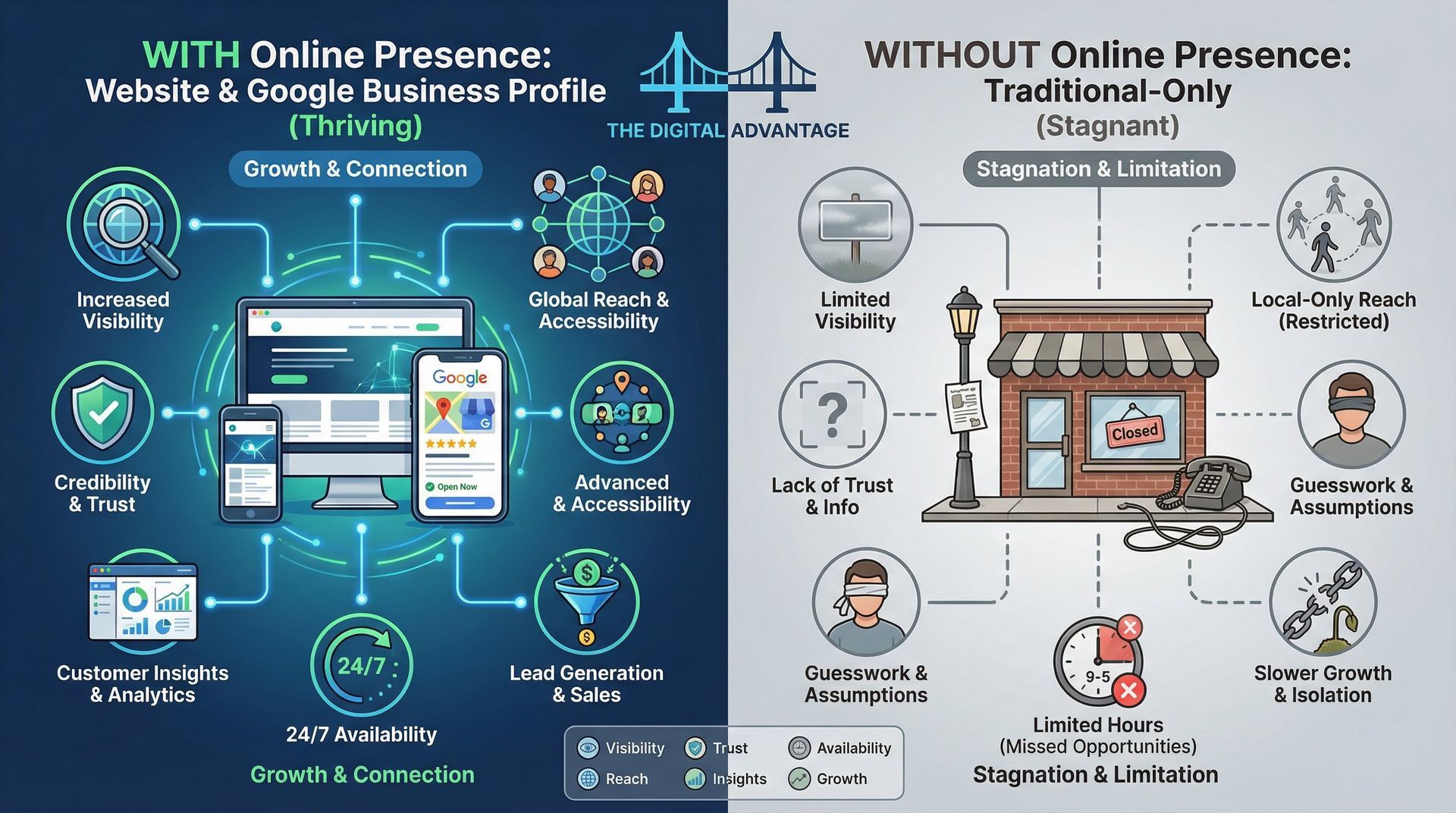
A website designer can turn more visitors into real customers
Traffic alone does not pay the bills. You need people to call, fill out a form, or book an appointment. That is where conversion design comes in; it boosts conversion rates by transforming visitors, especially high-value clients, into paying customers, and it is one of the biggest reasons a website designer can help grow your business.
Calls to action, contact forms, and page flow all affect conversion rates
A lot of websites hide the next step. The button is weak, the form is too long, or the contact details sit in a corner where nobody looks. A good designer cleans that up.
Maybe the page needs a clear call to action, like a "Request a Quote" button near the top. Maybe the form should ask for less. Maybe the service area needs to appear before the contact form, so the visitor knows you work in their town. Small choices like these can make actions feel easy and improve conversion rates.
Trust elements matter here, too. Reviews near a form, before-and-after photos, short FAQs, and clear expectations all reduce hesitation.
The right design helps attract better-fit leads
More leads are not always the goal. Better leads usually matter more.
Strong messaging can filter people before they contact you. If your site explains who you help in your target niche, what you do not do, what areas you serve, and what kind of jobs fit best, you waste less time on poor-fit inquiries. That means fewer dead-end calls and more conversations that build client relationships with people who are ready to hire.
This is where clarity pays off. A designer can shape pages so they answer buyer questions early. Service descriptions, timelines, process details, and FAQs all help people self-sort. You are not trying to talk everyone into calling. You are helping the right people feel confident enough to reach out.
Real results show how much a better website can matter
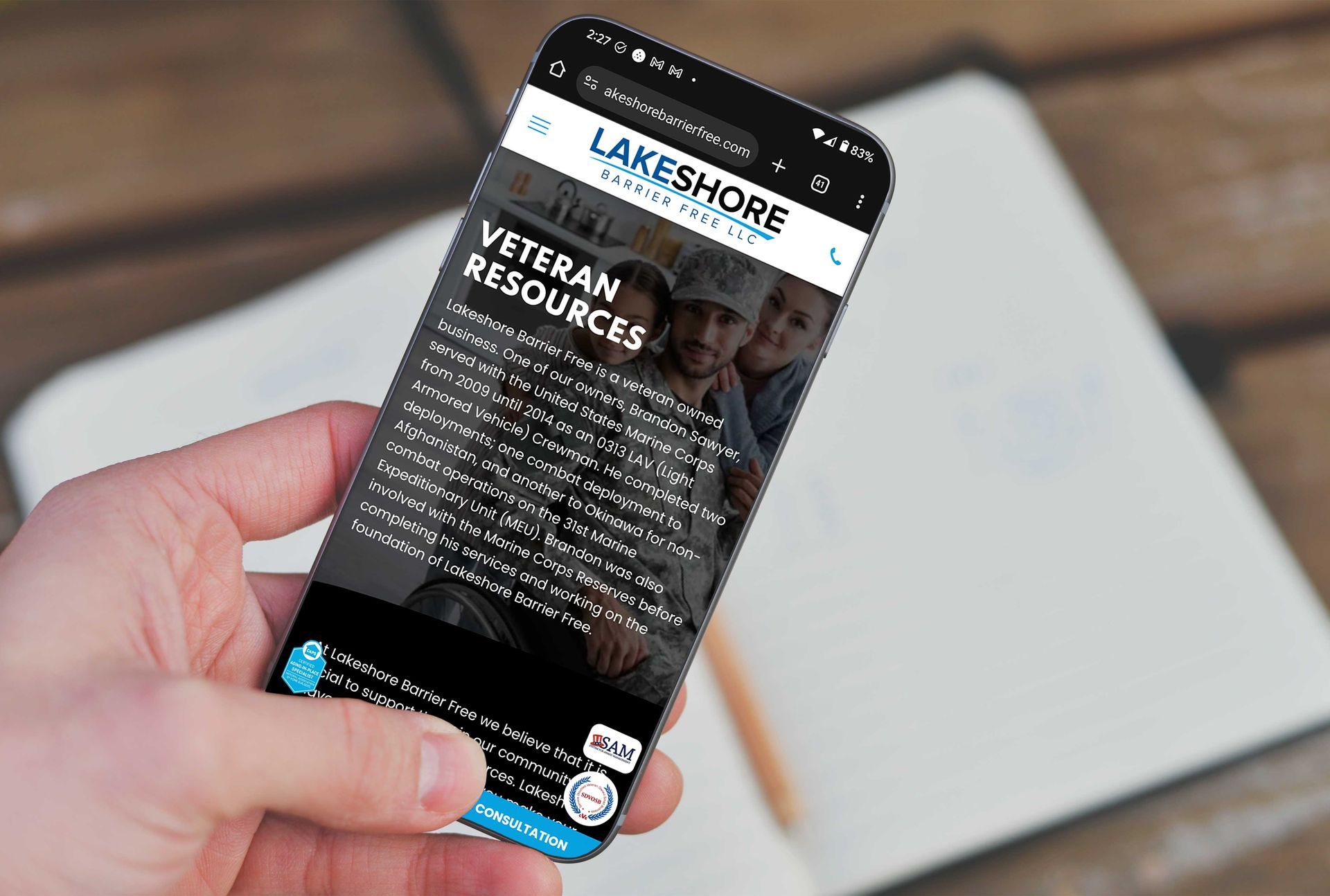
One of the clearest signs that website design can help grow a business is when better structure and content lead to more search visibility and more traffic. Our web design portfolio includes examples like
Lakeshore Barrier Free, where we saw strong gains over a 3-month period compared to the previous 3 months:
- Blog clicks increased from 189 to 477, up 152.38%
- Blog impressions increased from 51.8K to 128K, up 147%
- Website clicks increased from 557 to 1.03K, up 84.9%
- Website impressions increased from 87.5K to 200K, up 128.6%
That kind of growth does not happen by accident. It comes from better content, better page layout, and a website that is easier for search engines and people to understand.
Professional design supports long-term growth, not just a quick launch
A business website should grow with the company to support sustainable business practices. It should be easy to update with tools like no-code platforms, ready for future SEO work, and aligned with the rest of your marketing. Otherwise, you launch a nice site, then outgrow it six months later.
Your website works better with brand consistency across every touchpoint
People trust what feels consistent. If your website looks polished but your logo feels weak, or your print pieces do not match the site, the brand starts to feel uneven. That does not always kill a lead, but it can make your business harder to remember.
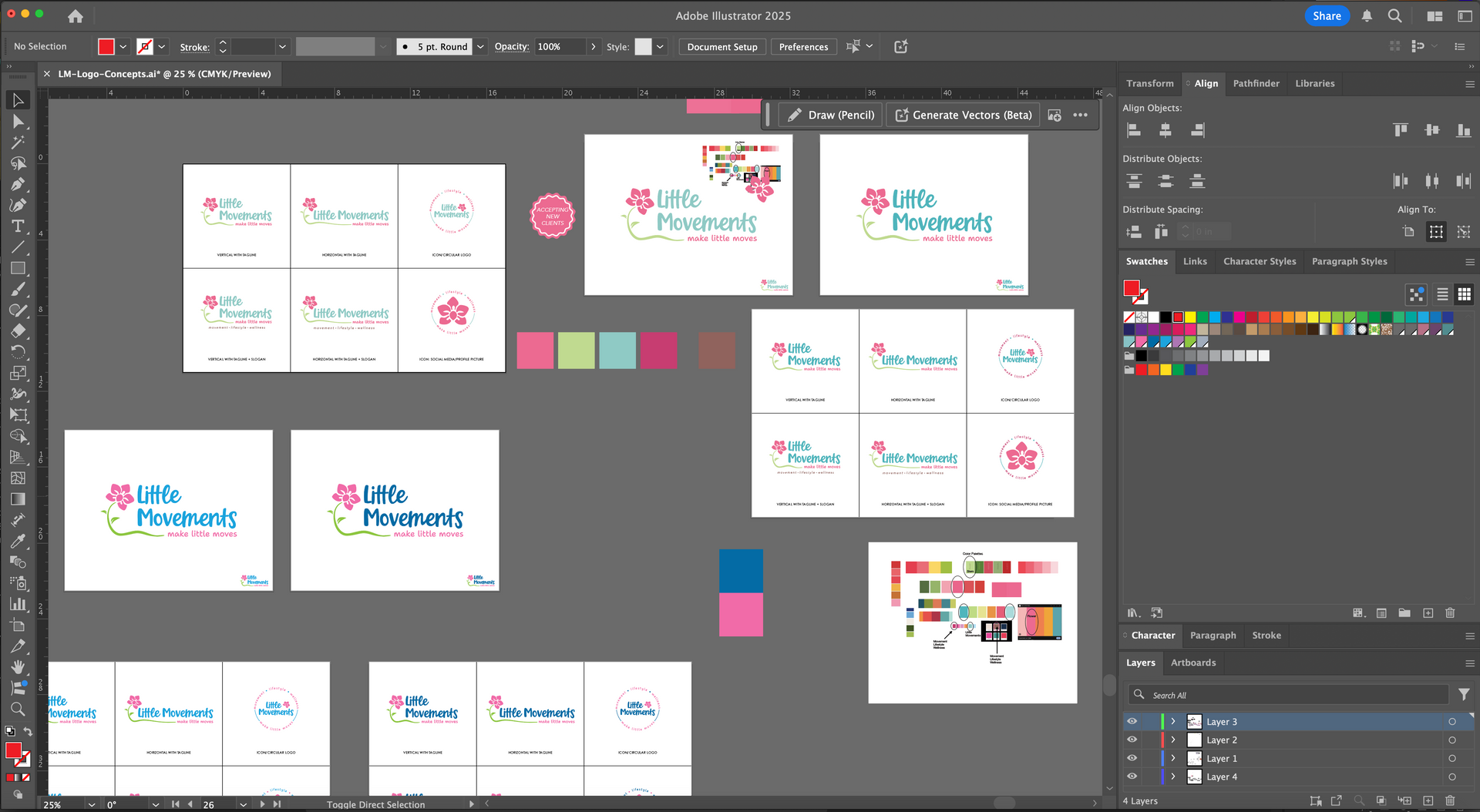
That is why web design services work better when they connect with the full brand and your digital identity. A clear logo, steady colors, and matching offline materials all reinforce recognition. If your brand foundation still needs work,
custom logo design services can strengthen the whole system, not only the website.
Ongoing updates and data tracking help you improve over time
The best websites are not left alone after launch. They get refined.
Maybe one page gets traffic but no leads. Maybe your mobile form has a drop-off issue. Maybe a service page needs clearer copy. A designer or agency, through effective project management, can spot weak points, update pages, and improve performance over time, often building long-term partnerships that create recurring revenue.
It also helps to watch how people use the site while staying respectful about privacy. Visitors notice when forms feel too invasive or cookie choices feel unclear. Plain language, clear privacy controls, and simple data practices can make a site feel more trustworthy, especially when people are already cautious online.